Evidence status
Applied study · Published · Public record
- Founder role
- Pablo García Frade directed and published this self-initiated study. It is not client work or evidence of production use.
- Responsibilities
- Research framing · Identity direction · Experience sequencing · Publication standard
- Measured outcomes
- No measured outcomes are claimed.
- Limitations
- The work shows a design hypothesis, not a launched venue, attendance result or revenue effect.
Problem
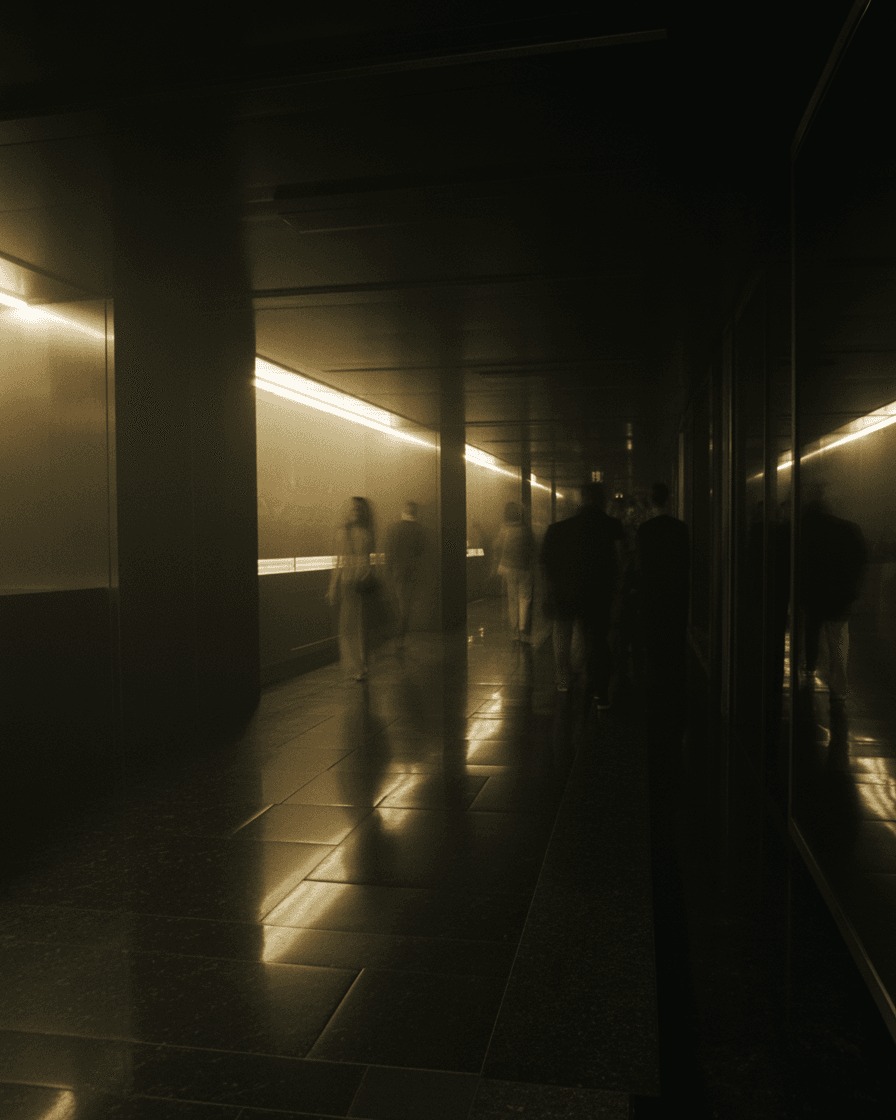
Most nightlife venues build identity as a logo applied to flyers, then watch that identity dissolve the moment the doors open. The room is the brand; the brand is rarely the room.
Direction
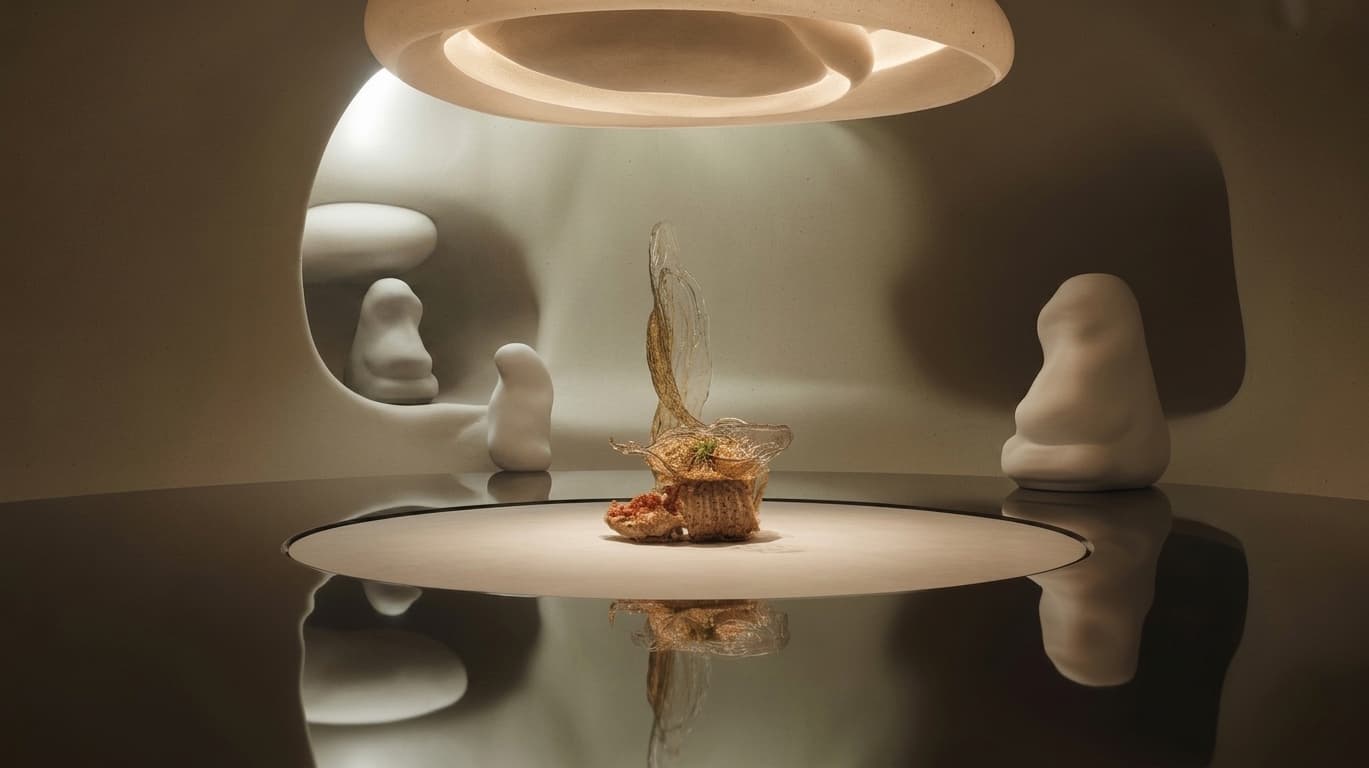
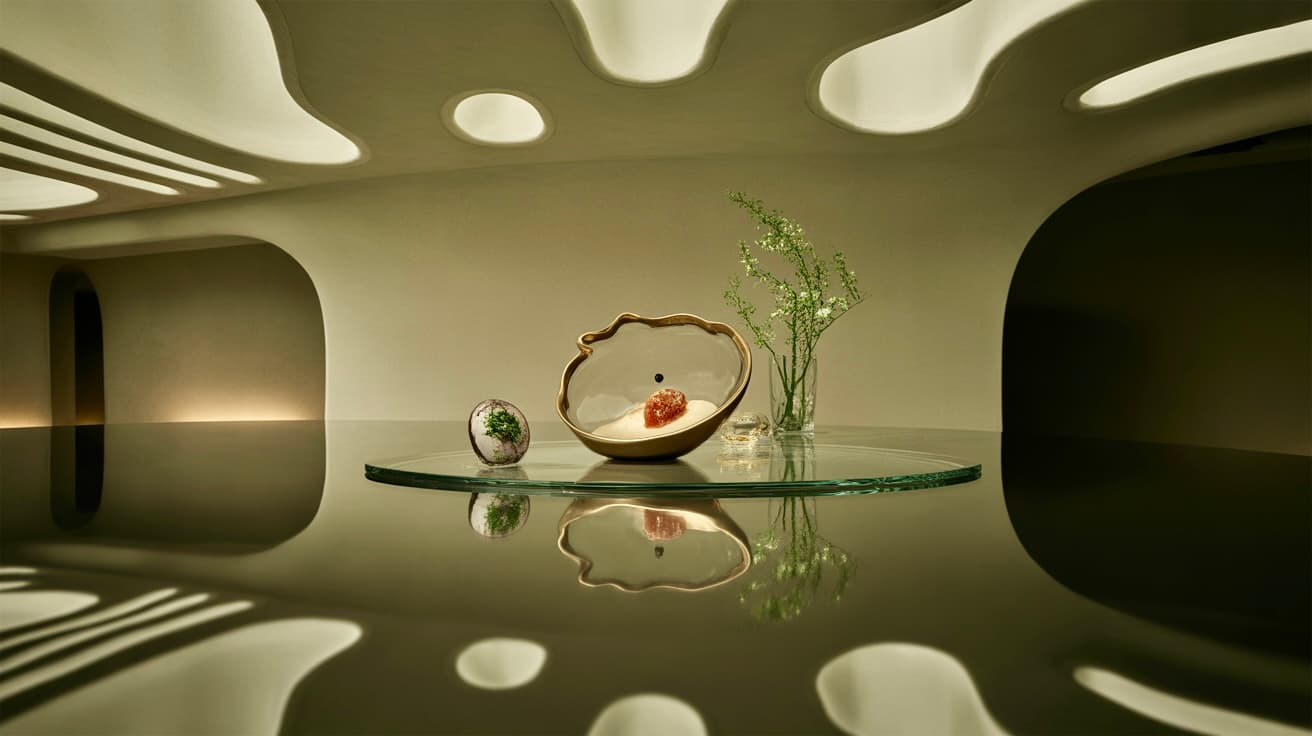
Treat the venue as a complete sensory programme — light, motion, sound, typography, gesture — held by a single visual decision applied at every layer. Darkness as the canvas, restraint as the loudest tool available.
System
One colour temperature anchors the universe. One typographic gesture repeats on the wristband, the door, the website and the first frame of every reel. Every operational call is also a brand call.
Surfaces
- 01Door identity and entry sequence
- 02Wristband, lineup and event collateral
- 03Lighting cue programme
- 04Cinematic web presence and social grid
Intended outcome
A venue identity designed to remain recognisable across the room, door, motion and editorial surface.
“Every operational call is also a brand call.”
Gallery
Credits
- Direction
- Xnlab Studio
- Status
- Internal study — 2024