Evidence status
Applied study · Published · Public record
- Founder role
- Pablo García Frade directed and published this self-initiated study. No client commissioned or adopted it.
- Responsibilities
- Research framing · Experience direction · Cross-surface system · Publication standard
- Measured outcomes
- No measured outcomes are claimed.
- Limitations
- The study demonstrates direction, not adoption, commercial performance or guest response.
Problem
Premium hospitality interiors photograph beautifully but compete in the same visual register as their competitors. The room is unmistakable in person; on the website it dissolves into the same tier as everyone else.
Direction
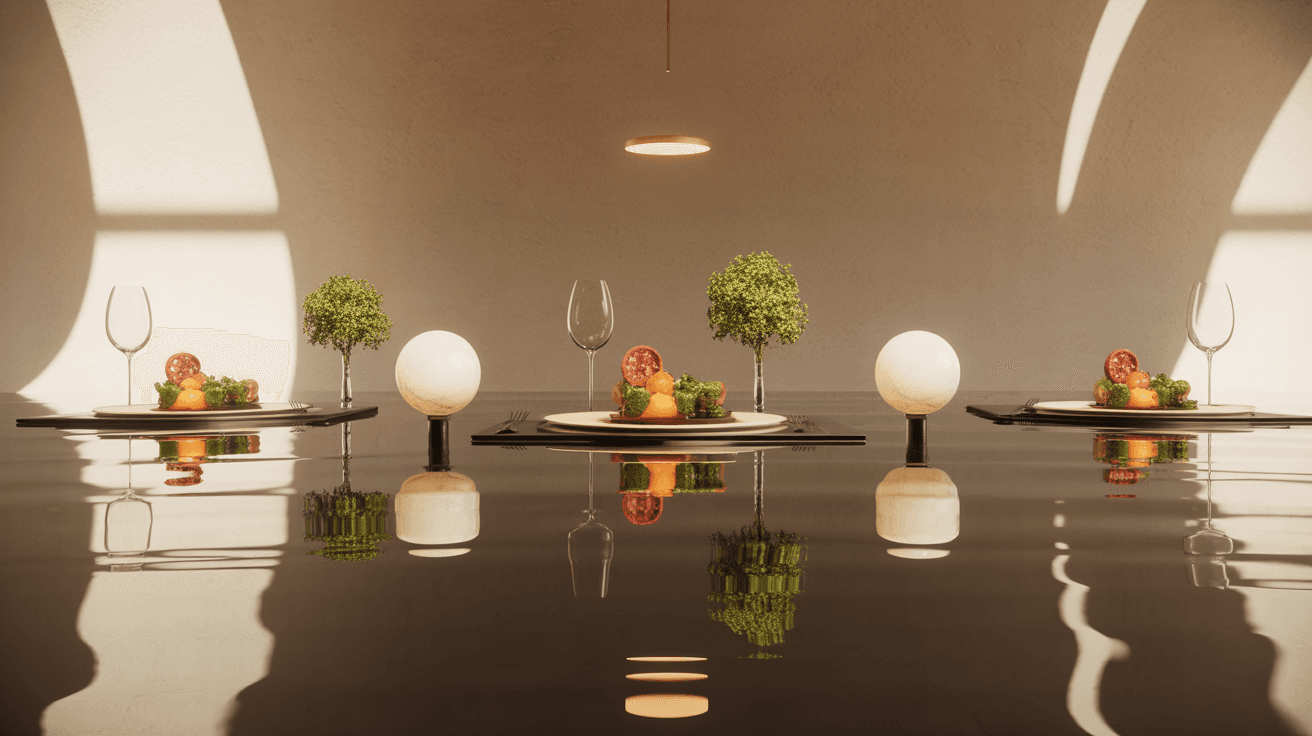
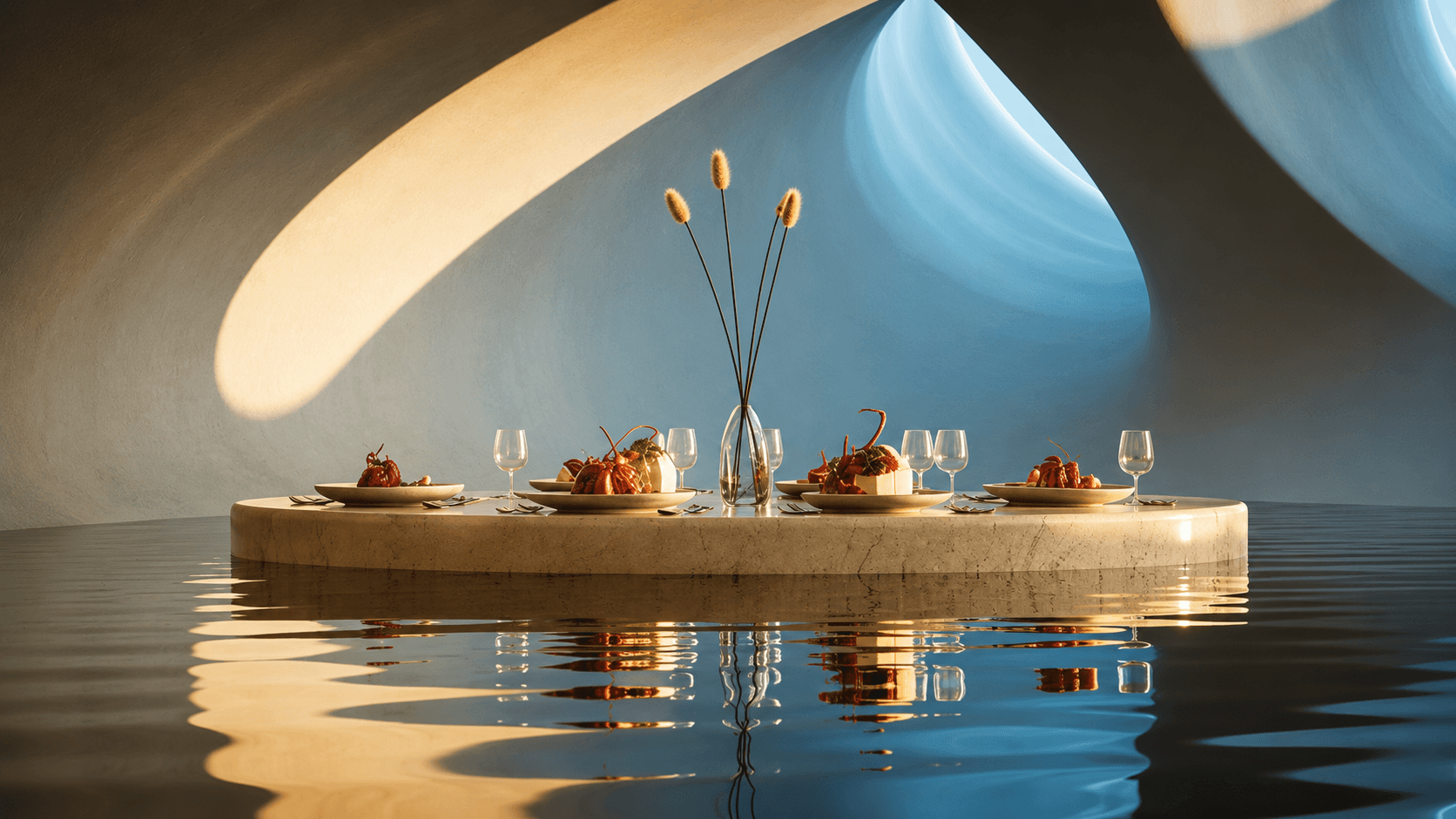
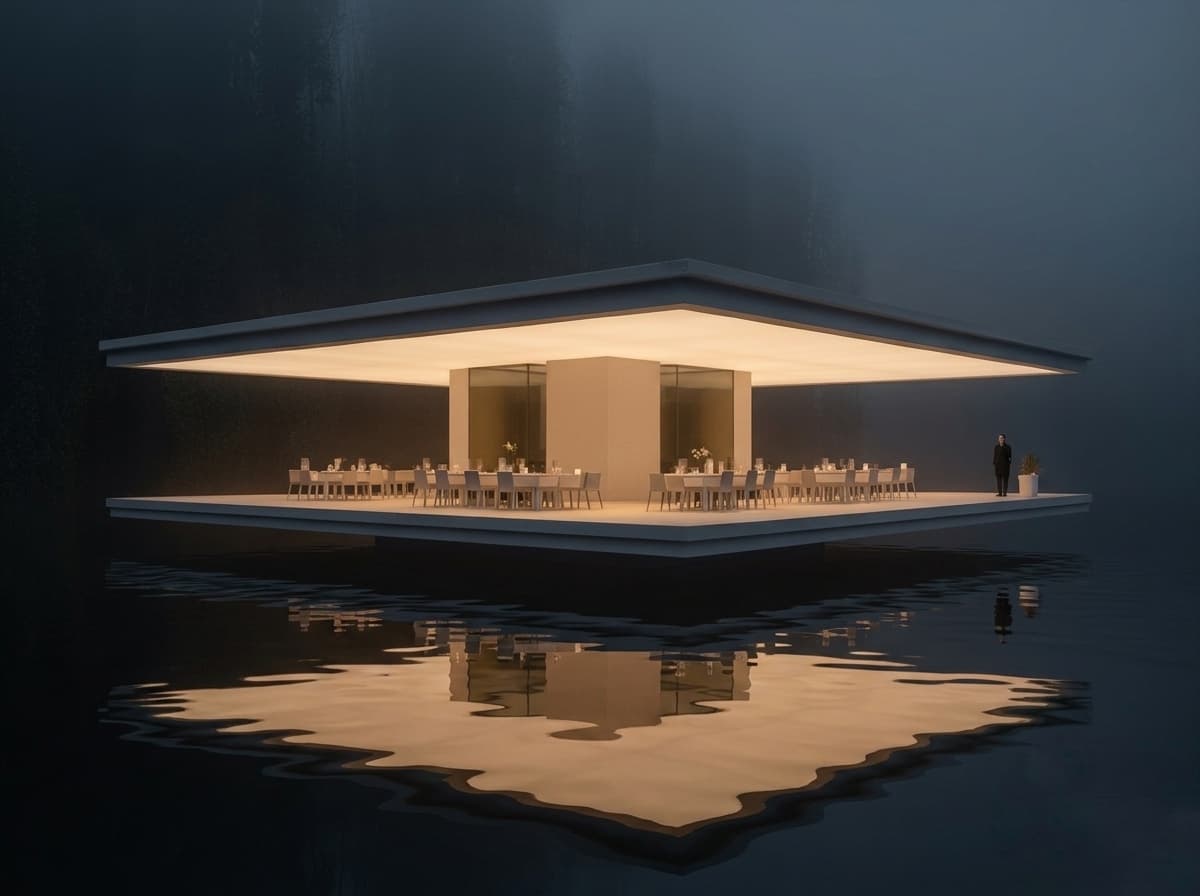
We approached hospitality not as architecture, but as memory — a sequence of atmospheres designed to make a guest feel before they are ever spoken to. The threshold is the first sentence; the corridor is the second.
System
Heavy material, dim incandescence and acoustic silence as the primary tools of identity. A palette tuned to firelight and aged copper. A motion register that breathes at the pace of a guest who has just sat down.
Surfaces
- 01Cinematic single-page site
- 02Booking flow with editorial pacing
- 03Sensory programme for opening night
- 04Atmospheric photography direction
Intended outcome
A space remembered as a feeling, with a visual system paced to the room itself.
Perception · current to directed
The shift
Current readRecognised as one more premium room.
Directed readRemembered as a specific feeling.
Current readThe website is a brochure of the place.
Directed readThe website is the first room the guest enters.
Current readBooking is a transaction to complete.
Directed readBooking is the opening of the sequence.
Current readPhotographed in the register of its competitors.
Directed readPhotographed like nothing else in its tier.
“Atmospheres designed to be remembered, not described.”
Gallery
Credits
- Direction
- Xnlab Studio
- Status
- Internal study — 2023
- Applied vertical
- Hospitality — six rooms, one studio →